Navigating Cancer Care: Essential Insights on Treatment, Prevention, and Survivorship
When faced with a cancer diagnosis, the journey can feel overwhelming. The word ‘cancer’ brings with it a wave of emotions—fear, uncertainty, and perhaps, a sense of loss. Yet, it’s essential to remember that this journey is not just about fighting a disease. It’s about empowering yourself with knowledge, understanding your options, and embracing a path towards wellness. As we delve into the landscape of oncology, we will explore vital insights on treatment, prevention, and survivorship. Are you ready to take the first step toward reclaiming your health?
Understanding epithelial tumors, such as carcinoma, or any malignant disease, begins with awareness. From the moment a symptom arises, clear diagnosis becomes imperative. Medical health professionals often recommend a variety of tests, and knowing what to expect can ease a significant burden. Have you ever wondered how a simple blood test can lead to breakthroughs in treatment? With the advances in research, including clinical trials, patients now have unprecedented access to cutting-edge therapies, including immunotherapy and targeted treatments. The power of information is invaluable on this journey!
The choices in cancer treatment can feel like standing at a crossroads—do you opt for chemotherapy, radiation therapy, or perhaps, explore the newer immunotherapy options? Each avenue has its pros and cons, and preparing for treatment means understanding what lies ahead. Will you experience side effects? How will it impact your daily life? These are questions that can haunt a patient’s mind. Engaging with support groups can be incredibly beneficial, offering a compassionate ear and shared experiences that can lighten the emotional load. Remember, you're not alone; there are patient resources available to guide you through this complex maze.
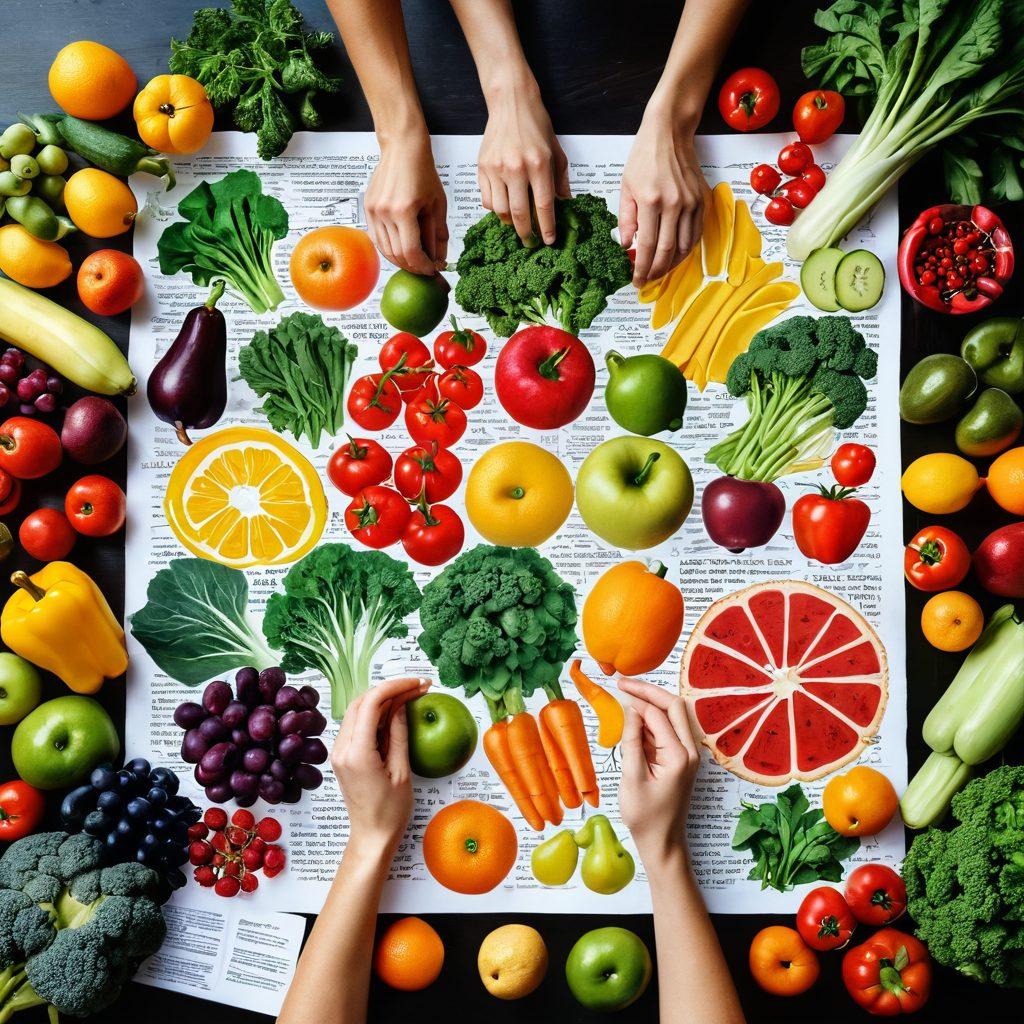
As you navigate this journey, consider the role of lifestyle changes in cancer survivorship. Nutrition plays a pivotal role in recovery and overall wellness. What you eat can significantly influence your body's ability to fight disease, cope with treatment side effects, and maintain energy levels. Imagine a plate filled with vibrant fruits and vegetables—each color representing a nutrient that nourishes your body on the cellular level! Simple dietary modifications can be empowering, giving you a sense of control in a world that can feel out of control. Have you thought about how you can incorporate healthy foods into your diet?
Finally, let’s not forget the importance of mental health and community support. The journey does not end after treatment; survivorship comes with its unique challenges. Finding a balance between moving forward and acknowledging the past can be tough. However, engaging with supportive friends, family, or community groups can make a world of difference. Remember, every warrior has a story worth sharing. So, how will you write your own narrative of empowerment during this extraordinary journey through cancer treatment and wellness?
From Diagnosis to Survivorship: Key Strategies for Navigating Cancer Care
Receiving a cancer diagnosis can feel like a whirlwind, sweeping you off your feet and tossing you into unfamiliar territory. The first instinct is often one of fear and confusion. However, understanding the journey from diagnosis to survivorship is a powerful tool in navigating through cancer care. With the right strategies, resources, and support, you can take control over your medical health and transform your experience from one of mere survival to a thriving path toward wellness. After all, how does one stride forward when everything feels uncertain?
The initial step on this journey often begins with obtaining a clear diagnosis from an oncologist. It is crucial for patients to ask questions and seek clarity about their specific type of malignancy, be it carcinoma or a different tumor. Understanding the nuances of your diagnosis can empower you to make informed decisions about your treatment options which may include chemotherapy, radiation therapy, or more modern techniques like immunotherapy. What options resonate with you, and have you explored the latest research to better understand the nature of your disease?
Transitioning into treatment can be daunting, yet it is essential to recognize that you’re not alone in this fight. Support groups and patient resources become invaluable during this period. Engaging with others who are undergoing similar experiences can help alleviate feelings of isolation and greatly enhance emotional stamina. You may ask yourself, 'How can I shift my mindset to view this experience as a potential catalyst for personal growth?' Each encounter, whether through group sessions or conversations with fellow patients, can lead to powerful revelations about your strength and resilience.
As treatment progresses, making lifestyle changes can also have a profound impact on your overall well-being. Integrating nutrition into your daily routine is one way to support your body during this intense period. Seek out foods that are rich in antioxidants and promote wellness. Consider consulting with a nutritionist who specializes in cancer care—what foods do you think may give you that extra boost? Coupled with physical activity, even simple exercises can help alleviate some of the symptoms associated with treatment, making a tangible difference in how you feel through a rigorous regime.
Finally, survivorship begins when treatment stops, but it doesn't simply mean returning to life as it was. It’s about embracing a new chapter in your existence, enriched by your experiences and wisdom gained through the journey. Establishing preventive measures, attending follow-up appointments, and staying informed through clinical trials can contribute to this new phase. The lingering question remains: how can you cultivate a life that thrives rather than merely exists post-cancer? Embrace that journey, prioritize your wellness, and give yourself permission to seek joy—not just survival—in the life that lies ahead.
Harnessing Knowledge: The Role of Nutrition, Research, and Support in Cancer Prevention and Recovery
In the journey through cancer care, knowledge is not just power; it's a lifeline. From the onset of symptoms to the final stages of survivorship, understanding each component of treatment, prevention, and recovery can make a world of difference. Whether you or a loved one are grappling with a carcinoma or navigating the complexities of malignancy, harnessing the right information can turn uncertainty into clarity. But how can nutrition, research, and support play pivotal roles in this journey? Let’s explore these essential elements.
Imagine walking into a hospital for your oncology appointment. You sit in the waiting room, heart racing, mind racing faster. Perhaps it’s the fear of a diagnosis, or a recent diagnosis weighing on your heart. One often overlooked tool in coping with this stress and uncertainty is nutrition. Evidence suggests that proper nutrition can bolster your immune system, improve treatment outcomes, and reduce the side effects of therapies such as chemotherapy and radiation therapy. How many of us have felt as though we have no control in the face of such a disease? By making mindful dietary choices, we can reclaim a sense of agency in our wellness journey.
Moreover, knowledge is not static; it evolves. The landscape of cancer prevention and treatment is ever-changing, driven by groundbreaking research and clinical trials. Immunotherapy is one area that has seen significant advancements, offering new hope to patients facing aggressive tumors. As a patient, it’s essential to stay informed about these developments. What's the latest research saying, and how might it affect your treatment plan? Consider joining support groups or tapping into patient resources to connect with others who are also seeking knowledge and sharing experiences. They say knowledge is the best medicine, and in the realm of cancer care, that statement rings incredibly true.
Let’s not forget the emotional component. A cancer diagnosis can affect not just the individual but their entire support system. Engaging with support groups creates a safe haven where feelings can be shared, fears can be voiced, and triumphs can be celebrated. These connections form a community that encourages lifestyle changes, which can tremendously enhance recovery. If you’re part of this community or just beginning to explore, remember: every conversation has the potential to inspire and uplift. Who knows? Your experience could be the glimmer of hope someone else needs.
Ultimately, as we traverse through the world of cancer care, let’s remember that we are not alone. Nutrition, research, and support are the keys to navigating this labyrinth of treatment and recovery. Whether it’s opting for nutrient-rich foods that fuel our bodies or engaging with others who understand our journey, we can find comfort and strength. Let’s arm ourselves with knowledge and take charge of our health — after all, survivorship is not merely the absence of disease but the presence of wellness. Together, we can illuminate the path toward recovery and thrive in the face of adversity.